
Understanding the Connection Between Trauma and Addiction
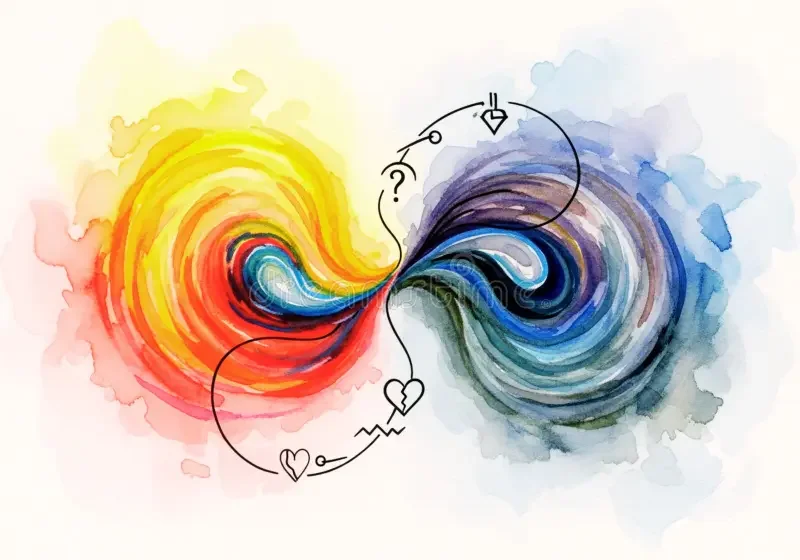
Many people believe addiction is simply a matter of willpower. In reality, addictive behaviours often develop as ways of coping with overwhelming emotional pain, trauma, or chronic stress. Whether it’s alcohol, drugs, gambling, compulsive shopping, or overworking, these behaviours may provide temporary relief from emotions that feel too difficult to manage.
Understanding the connection between trauma and addiction is an important step toward healing.
Coping, Not Failing
Trauma can leave the nervous system feeling constantly on alert. For some people, addictive behaviours become an attempt to numb emotional pain, escape distressing memories, or regain a sense of control.
While these coping strategies may provide short-term relief, they often create additional challenges over time. Recognizing that these behaviours developed for a reason allows healing to begin with compassion instead of shame.
Looking Beneath the Behaviour
Rather than asking, “What’s wrong with me?” or “Why can’t I stop?”, therapy encourages a different question: “What happened to me?”
Exploring the experiences beneath addictive behaviours helps uncover unmet emotional needs, unresolved trauma, and patterns that may have developed as a way to survive difficult circumstances.
Healing Mind and Body Together
Recovery is about more than stopping a behaviour—it’s about building healthier ways to cope. Trauma-informed therapy helps individuals understand their emotional triggers, develop practical coping skills, regulate their nervous system, and strengthen resilience.
Healing takes time, and setbacks don’t mean failure. With the right support, it is possible to move beyond survival and build a life that feels healthier, more balanced, and more connected.
At Meaningful Connections, we provide compassionate, trauma-informed therapy that recognizes the connection between past experiences and present challenges. Whether you’re struggling with addiction, trauma, anxiety, or emotional overwhelm, you don’t have to face it alone. Healing is possible, and every step forward begins with understanding, support, and hope.
